If you’ve ever walked into an authentic Indian restaurant, you’ve probably noticed something before your food even arrived—the aroma.
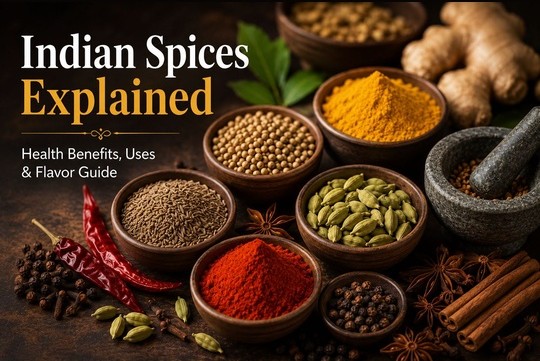
Warm cumin, fragrant cardamom, toasted coriander, earthy turmeric, and freshly ground garam masala fill the air long before the first bite. These aren’t simply seasonings. They are the heart and soul of Indian cooking.
At Little India of Denver, every curry, biryani, tandoori entrée, and vegetarian specialty begins with carefully selected spices that have been used in Indian kitchens for centuries. These spices don’t exist to make food overwhelmingly hot. Instead, they work together to create balance, aroma, richness, and depth that make Indian cuisine one of the world’s most celebrated culinary traditions.
Whether you’re enjoying Butter Chicken, Chicken Tikka Masala, Bharta Makhani, Biryani, or a comforting bowl of Dal, every dish tells the story of India’s incredible spice heritage.
Why Does Indian Food Use So Many Spices?
Many people assume Indian food is simply “spicy.” In reality, authentic Indian cuisine is flavorful rather than fiery.
Indian chefs layer spices throughout the cooking process to build complexity. Turmeric provides earthiness and color. Cumin creates warmth. Coriander balances richness with fresh citrus notes. Cardamom adds floral sweetness, while garam masala finishes the dish with aromatic depth.
Together, these spices create bold yet balanced flavors that cannot be achieved with a single seasoning.
India: The Land of Spices
India has been known as the “Land of Spices” for more than 2,000 years.
Long before modern transportation existed, merchants traveled thousands of miles to trade Indian spices with Europe, Africa, the Middle East, and Asia. Black pepper was once considered as valuable as gold. Cardamom and cinnamon were prized luxuries among royalty, while turmeric became known not only for its color but also for its importance in traditional wellness practices.
These ancient trade routes helped shape global cuisine. Even today, many of the world’s most popular recipes contain spices that originally came from India.
At Little India of Denver, that same culinary tradition continues. Rather than relying on pre-made curry powders, authentic Indian cooking begins with individual spices that are toasted, blended, and layered carefully throughout the cooking process.
Why Fresh Spices Make Such a Big Difference
One of the biggest differences between authentic Indian food and ordinary curry dishes is the freshness of the spices.
Whole spices naturally contain aromatic oils. When they are freshly toasted and ground, those oils are released, creating richer aromas and more vibrant flavors.
This is why freshly prepared Indian food tastes dramatically different from dishes made with bottled spice blends that may have been sitting on supermarket shelves for months.
At Little India of Denver, every curry begins with this traditional approach, allowing each spice to contribute its own unique personality to the finished dish.
The 10 Essential Indian Spices Every Food Lover Should Know
Turmeric – The Golden Foundation
Turmeric is one of India’s most recognizable spices. Its bright golden color gives many curries their beautiful appearance, while its earthy flavor adds subtle warmth.
Beyond cooking, turmeric has been valued in Ayurvedic traditions for centuries and is widely recognized today for its naturally occurring antioxidant compounds.
You’ll find turmeric in dishes such as Butter Chicken, Chicken Tikka Masala, vegetable curries, lentils, and rice preparations.
Cumin – The Heart of Indian Cooking
If one spice defines North Indian cuisine, it is cumin.
Its nutty, smoky aroma creates the foundation of countless curries, biryanis, and vegetable dishes. Toasting cumin seeds before cooking unlocks an incredible fragrance that instantly transforms a recipe.
Without cumin, many Indian dishes would lose the depth that makes them so memorable.
Coriander – Bright, Fresh and Balanced
While cumin adds richness, coriander brings balance. Its light citrus notes prevent curries from feeling too heavy while complementing tomatoes, onions, and yogurt-based sauces beautifully. Coriander is one reason authentic Indian food tastes complex instead of overwhelming.
Cardamom – The Queen of Spices
Cardamom delivers one of the most recognizable aromas in Indian cuisine. Its floral sweetness appears in biryanis, desserts, chai, and even Mango Lassi. Just a small amount creates an extraordinary fragrance.
Cinnamon – More Than Dessert
Many people associate cinnamon with baked goods. Indian cuisine uses it very differently. Whole cinnamon sticks are slowly simmered in curries, rice dishes, and biryanis, where they create warmth instead of sweetness.
Cloves – Small Spice, Big Flavor
Cloves are incredibly powerful. Used sparingly, they contribute warmth and gentle sweetness to spice blends like garam masala while enhancing slow-cooked dishes.
Fenugreek – The Secret Behind Butter Chicken
One question guests often ask at Little India of Denver is:
“Why does your Butter Chicken taste different from everywhere else?”
One important answer is fenugreek.
This slightly sweet herb provides the unmistakable aroma that many people associate with authentic Butter Chicken.
Without fenugreek, the dish simply wouldn’t taste complete.
Mustard Seeds – Tiny but Powerful
Popular throughout Southern India, mustard seeds release nutty flavors when tempered in hot oil.
This simple cooking technique adds another layer of complexity before the remaining ingredients are added.
Kashmiri Chili – Color Without Overwhelming Heat
Many guests worry that Indian food will be too spicy.
Kashmiri chili helps solve that problem.
Instead of extreme heat, it provides beautiful, deep-red color and mild warmth, making dishes visually appealing without overwhelming the palate.
Garam Masala – India’s Signature Spice Blend
Garam Masala is perhaps the most famous Indian seasoning.
Rather than being one spice, it combines cinnamon, cardamom, cloves, cumin, pepper, and several other warming spices.
Unlike curry powder, garam masala is usually added near the end of cooking, preserving its fragrant aroma.
Which Little India of Denver Dishes Showcase These Spices?
If you’d like to experience these spices firsthand, several guest favorites beautifully highlight them.
Butter Chicken features fenugreek, turmeric, cumin, coriander, and garam masala working together to create its signature creamy flavor.
Chicken Tikka Masala combines Kashmiri chili, cumin, coriander, and garam masala with yogurt-marinated chicken roasted in the tandoor.
Biryani showcases aromatic spices like cinnamon, cardamom, cloves, and cumin layered throughout fragrant basmati rice.
Bharta Makhani highlights smoky eggplant paired with warm spices and clarified butter for rich Punjabi comfort food.
Even the refreshing Mango Lassi often includes a subtle touch of cardamom that enhances the sweetness of ripe mangoes.
Each dish tells a different story through its unique spice combination.
Frequently Asked Questions About Indian Spices
Are Indian spices healthy?
Many Indian spices naturally contain antioxidants and have been used in traditional wellness practices for centuries. While they are valued for their flavor first, researchers continue studying their nutritional properties.
Is Indian food always spicy?
No. Authentic Indian cuisine focuses on flavor rather than heat. Many dishes are mild and can be customized to your preferred spice level.
What gives curry its yellow color?
Turmeric is primarily responsible for the beautiful golden color found in many Indian curries.
What’s the difference between curry powder and garam masala?
Curry powder is a commercial blend created outside India. Garam masala is a traditional Indian spice blend added toward the end of cooking to enhance aroma and depth.
Why does Indian food smell so good?
Authentic Indian cooking layers freshly toasted spices throughout the cooking process. This gradual technique releases natural aromatic oils that create the unmistakable fragrance people associate with Indian cuisine.
Experience Authentic Indian Spices at Little India of Denver
Reading about Indian spices is fascinating, but tasting them is unforgettable. Every dish at Little India of Denver reflects centuries of culinary tradition, where fresh spices are layered carefully to create bold flavors, inviting aromas, and memorable dining experiences.
Whether you’re enjoying a creamy Butter Chicken, fragrant Biryani, smoky Bharta Makhani, or refreshing Mango Lassi, you’ll discover why Indian spices have captivated food lovers around the world for generations.
Visit the Little India of Denver or order online, and experience how authentic spices transform simple ingredients into extraordinary cuisine.
You might also like
-
Best Indian Food in Denver: 15 Authentic Dishes You Must Try

-
Edamame with an Indian Twist: Denver’s Most Addictive Appetizer
-
Kids Chicken Tikka in Denver: Mild & Juicy Favorite
-
Biryani vs Pulao: What’s the Real Difference?