
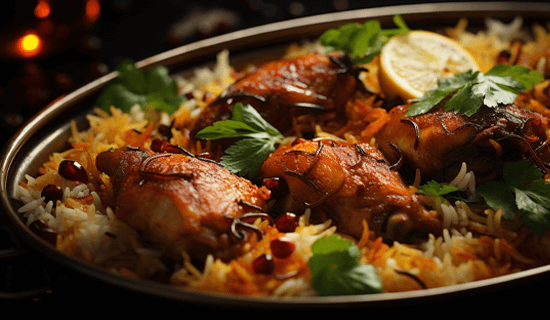
If you love Indian food, you have probably come across two popular rice dishes: biryani and pulao. At first glance, they may look similar. Both are fragrant rice dishes made with spices, vegetables, or meat. However, once you taste them, you will quickly notice important differences.
So, what exactly sets biryani apart from pulao? While both dishes share common ingredients, their preparation methods, flavor intensity, and cultural origins vary significantly. In this guide, we will explore biryani vs pulao in detail, so you can confidently choose your favorite the next time you order.
Furthermore, at Little India of Denver, both dishes are prepared fresh with authentic techniques. As a result, you can taste the true contrast between these classics across their multiple Denver locations.
The Origins of Biryani and Pulao
To understand the difference between biryani and pulao, it helps to look at their history. Pulao is believed to have ancient roots in Central Asia and the Indian subcontinent. Over time, it became a staple comfort food across many Indian households. Traditionally, pulao was prepared as a simple yet flavorful rice dish cooked with mild spices and vegetables or meat.
On the other hand, biryani developed later, influenced by Mughal cuisine. It is often associated with royal kitchens and elaborate feasts. As a result, biryani evolved into a richer and more complex dish. Therefore, while pulao reflects everyday home cooking, biryani represents celebration and indulgence.
Cooking Methods: The Biggest Difference
The primary distinction between Biryani and Pulao lies in how they are cooked.
Pulao uses the absorption method. First, you sauté spices, vegetables, or meat together. Then, you add raw rice and the exact amount of water or stock. As a result, everything cooks in one pot until the rice fully absorbs the liquid. Moreover, this one-pot technique makes Pulao quick and straightforward.
On the other hand, Biryani follows the draining method and layered cooking. Initially, the rice is parboiled separately until about 70% cooked and then drained. Meanwhile, the meat or vegetables are marinated and cooked into a flavorful masala. Next, the parboiled rice and masala are layered in a pot, often with fried onions, saffron milk, mint, and cilantro. Finally, the pot is sealed and slow-cooked on low heat using the “dum” technique. Therefore, the steam traps all the aromatic flavors inside, creating a more complex dish.
However, this layered dum process takes longer, sometimes 2-3 hours, compared to Pulao, which can be ready in under an hour.
Flavor Profile: Mild vs Bold
When comparing biryani vs pulao, flavor intensity is another key factor. Pulao generally offers a mild and balanced taste. The spices are subtle, and the focus remains on harmony rather than heat. Because of this, pulao works well for those who prefer lighter, less spicy dishes.
Biryani, however, is known for boldness. It uses a wider range of spices, including garam masala, saffron, cardamom, cloves, and sometimes fried onions for added richness. Moreover, the marination process enhances the depth of flavor in the protein or vegetables.
As a result, biryani delivers a layered and complex taste that unfolds with each bite, whereas pulao provides gentle comfort.
Texture and Aroma
Although both dishes use basmati rice, the texture differs slightly due to preparation. In pulao, the rice absorbs the spices evenly. Therefore, each grain carries a consistent flavor.
In biryani, the layered method creates variation. The top layer of rice may remain lightly spiced, while the lower layers are richer and more intense. Biryani often includes saffron-infused milk or ghee, which adds fragrance and color. Thus, when you open a pot of biryani, the aroma alone feels festive and inviting.
Ingredients and Variations
Both dishes start with premium long-grain basmati rice. However, Biryani typically incorporates more premium additions such as saffron, cashews, raisins, and ghee for luxury.
Popular variations at Little India of Denver include:
- Chicken Biryani
- Lamb Biryani
- Vegetable Biryani
- Combination Biryani (chicken, lamb, and shrimp)
For Pulao, common versions feature peas (Matar Pulao), vegetables, or mild chicken or lamb. Additionally, Pulao is often lighter and more suitable for daily meals or as an accompaniment. Both can be made vegetarian or with your choice of protein, making them versatile for different dietary preferences.
Which One Should You Choose?
First, choose Pulao when you want something quick, light, and comforting. Moreover, it pairs beautifully with creamy curries like Butter Chicken, Saag Paneer, or Dal Makhani.
However, go for Biryani when you crave a hearty, aromatic, standalone meal. Biryani shines at parties, family gatherings, or when you want impressive flavors. As a result, many Denver diners specifically order Biryani from Little India for its royal taste and generous portions.
If you prefer milder food, start with Pulao. For bolder spice lovers, Biryani offers more intensity that can be adjusted to your preferred heat level.
How to Enjoy Biryani and Pulao at Little India of Denver
Little India of Denver prepares both dishes using traditional methods with fresh ingredients daily. Moreover, their aromatic Biryanis are delicately spiced with saffron and served hot.
Convenient locations across Denver include:
- Capitol Hill (330 E 6th Ave)
- South Denver (2390 S Downing St)
- Highlands (3496 W 32nd Ave)
- Central Park (7352 E 29th Ave)
Therefore, whether you dine in, take out, or order delivery, you can enjoy authentic versions of both. Pair your Biryani with cooling cucumber raita and a side of naan. Similarly, serve Pulao alongside your favorite main course curry for a balanced Indian meal. Many customers also order these rice dishes as part of catering trays for events, making planning simple and delicious.
You might also like
-
Indian Spices Explained: Health Benefits, Uses & Flavor Guide

-
Edamame with an Indian Twist: Denver’s Most Addictive Appetizer

-
Kids Chicken Tikka in Denver: Mild & Juicy Favorite
-
Pasanda Tray: North Indian Favorite Catering Dish in Denver