
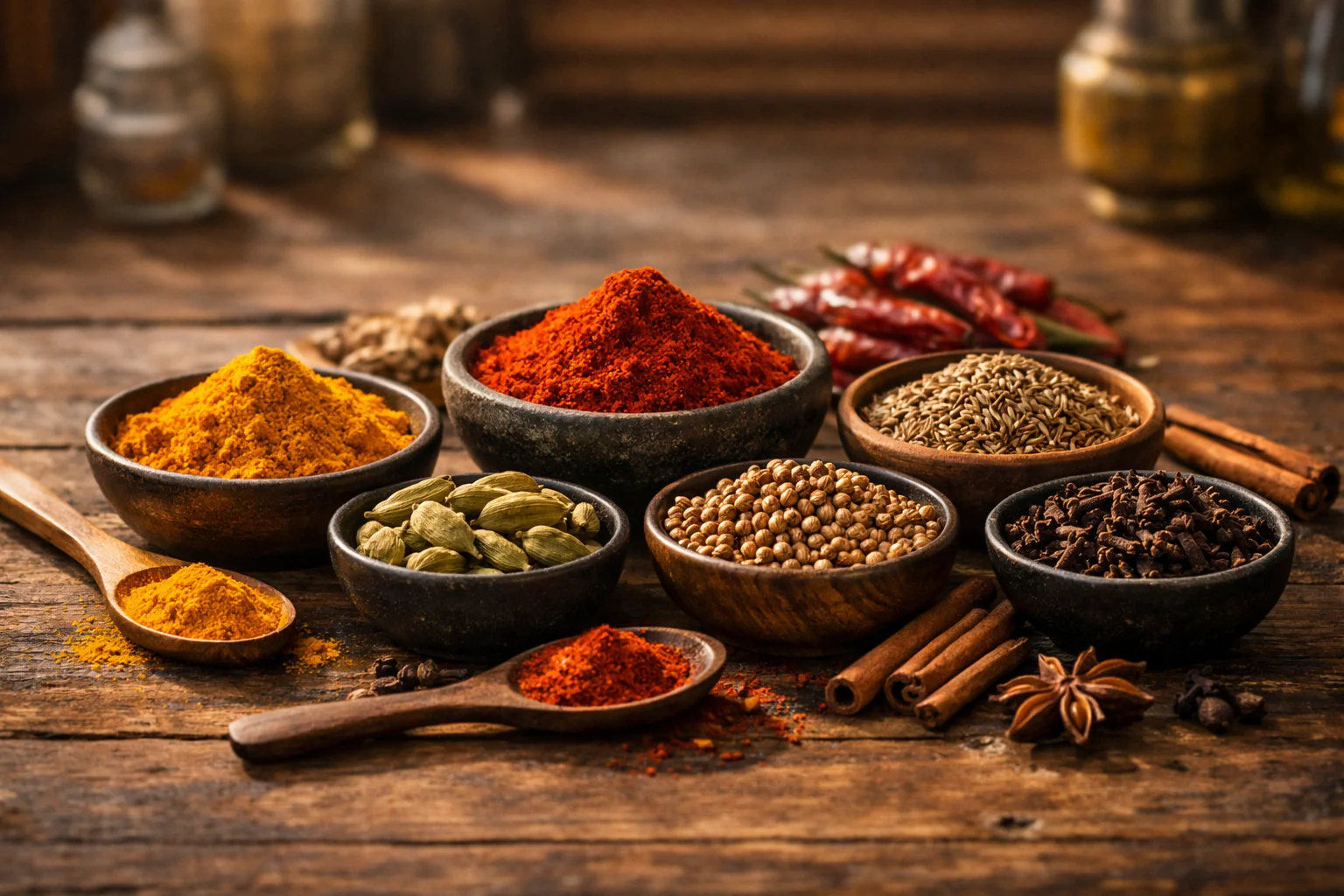
Indian cuisine is famous worldwide for its vibrant colors, layered aromas, and unforgettable taste. But have you ever paused mid-bite and wondered: what makes Indian spices so powerful? It’s not just magic, it’s centuries of tradition, natural chemistry, and modern science working together.
At Little India of Denver, we celebrate these spices every day. Whether you’re enjoying our butter chicken or fragrant biryani, every dish tells a story of flavor and wellness. This guide will walk you through the history, science, top spices, and practical tips so you can bring that same power into your own kitchen.
The Ancient Roots of Indian Spices
Spices have been central to Indian culture for over 4,000 years. Ancient texts like the Vedas and Ayurvedic treatises describe them as both medicine and flavor enhancers. Traders carried Indian pepper, cardamom, and cinnamon along the Silk Road, making them more valuable than gold.
Ayurveda, India’s 5,000-year-old healing system, classifies spices by their effect on the body’s doshas (energies). Turmeric balances inflammation, ginger aids digestion, and cumin warms the gut. These principles still guide how we cook and heal today.
Even now, India produces 75% of the world’s spices. The country’s diverse climate, from the Himalayan hills to tropical Kerala, creates the perfect conditions for growing the most potent varieties.
What Gives Indian Spices Their Power?
The “power” comes from bioactive compounds, natural chemicals that plants produce to protect themselves. When we eat them, these compounds protect us too.
- Antioxidants neutralize free radicals that cause aging and disease.
- Anti-inflammatory agents calm chronic inflammation linked to heart disease and arthritis.
- Antimicrobial properties fight bacteria and support gut health.
- Digestive enzymes help break down food and reduce bloating.
Modern research backs what grandmothers have known for generations. Peer-reviewed studies show many Indian spices rival pharmaceutical effects, without side effects when used in food amounts.
Top 10 Powerful Indian Spices: Flavor + Health Benefits
Here are the spices we use most at Little India of Denver, with their signature flavor notes and science-backed benefits.
1. Turmeric (Haldi) Bright golden color and earthy, slightly bitter taste. The star compound is curcumin. It’s one of nature’s strongest anti-inflammatories; some studies compare it to ibuprofen for joint pain. Turmeric also supports brain health, liver function, and immunity. Pro tip: Pair with black pepper to boost absorption by 2,000%.
2. Cumin (Jeera) Warm, nutty, and slightly citrusy. Cumin seeds aid digestion, reduce IBS symptoms, and are rich in iron. One teaspoon delivers 15% of your daily iron needs. Research shows it helps control blood sugar and cholesterol.
3. Coriander (Dhania) Fresh, citrusy leaves and warm, spicy seeds. Both leaves and seeds are packed with antioxidants. Coriander lowers blood pressure, improves cholesterol levels, and soothes stomach upset. It’s the secret behind our tangy chutneys.
4. Ginger (Adrak) Spicy, sweet, and lemony heat. Gingerol is the hero here. It combats nausea (perfect for motion sickness or pregnancy), reduces muscle soreness after workouts, and fights inflammation. We use fresh ginger in every chai and curry.
5. Cardamom (Elaichi) Sweet, floral, and minty aroma. Often called the “queen of spices,” cardamom improves breathing, freshens breath, and supports heart health. Studies link it to lower blood pressure and better oral hygiene.
6. Cinnamon (Dalchini) Sweet, woody warmth. Ceylon cinnamon (our preferred variety) contains cinnamaldehyde that mimics insulin, helping regulate blood sugar. It’s also a powerful antioxidant; just ½ teaspoon daily can lower fasting glucose.
7. Cloves (Laung) Intense, sweet, and pungent. Eugenol gives cloves their numbing quality (dentists once used it for toothaches). Cloves fight bacteria, reduce oxidative stress, and support liver health.
8. Fenugreek (Methi) Maple-syrup-like aroma when toasted. Fenugreek seeds and leaves lower cholesterol and blood sugar. Nursing mothers often use it to boost milk supply. The leaves add a unique bitter-earthiness to our aloo methi.
9. Black Pepper (Kali Mirch) Sharp, piney heat. Piperine enhances nutrient absorption from every other spice on your plate. It also has antioxidant and anti-inflammatory effects.
10. Red Chili (Mirch) Fiery heat with fruity notes. Capsaicin revs metabolism, reduces appetite, and releases endorphins (the “spice high”). It’s also rich in vitamin C and supports heart health.
Easy Ways to Use Indian Spices Every Day
You don’t need to be a chef to reap the benefits. Try these simple ideas:
- Morning boost: Golden milk (turmeric + ginger + black pepper in warm milk or plant milk).
- Digestive tea: Cumin, coriander, and fennel seeds steeped in hot water after meals.
- Spice rubs: Mix cumin, coriander, turmeric, and chili for chicken or roasted veggies.
- Chai upgrade: Cardamom, ginger, cinnamon, and cloves in your daily tea.
- Salad dressing: Whisk coriander, cumin, and a pinch of chili into olive oil and lemon.
At Little India of Denver, our chefs use these exact combinations so every bite delivers both flavor and function.
Buying, Storing, and Maximizing Potency
- Choose whole spices whenever possible; they stay fresh longer and release oils when crushed or toasted.
- Store in airtight glass jars away from heat and light.
- Toast spices in a dry pan for 30–60 seconds before cooking to wake up their essential oils.
- Buy small quantities from trusted sources so they’re always fresh.
We source our spices directly from Indian suppliers and roast many in-house, so guests taste the difference.
Experience the Power of Indian Spices
Indian spices prove that the most delicious foods are often the healthiest. Their bold flavors come from the same compounds that fight inflammation, support immunity, and improve digestion.
Next time you crave something vibrant and nourishing, remember: a single teaspoon of thoughtfully chosen spices can transform a meal, and your health.
Ready to experience the real magic? Visit Little India of Denver for authentic curries, fresh naan, and spices blended with love. Whether you dine in, take out, or grab our secret spice blends to go, you’ll taste exactly what makes Indian spices so powerful.
Book your table today and let every bite tell a story of flavor, tradition, and wellness.
You might also like
-
Kids Chicken Tikka in Denver: Mild & Juicy Favorite
-
Biryani vs Pulao: What’s the Real Difference?
-
Pasanda Tray: North Indian Favorite Catering Dish in Denver

-
Malai Kofta: Best Royal Vegetable Kofta Curry at Little India