
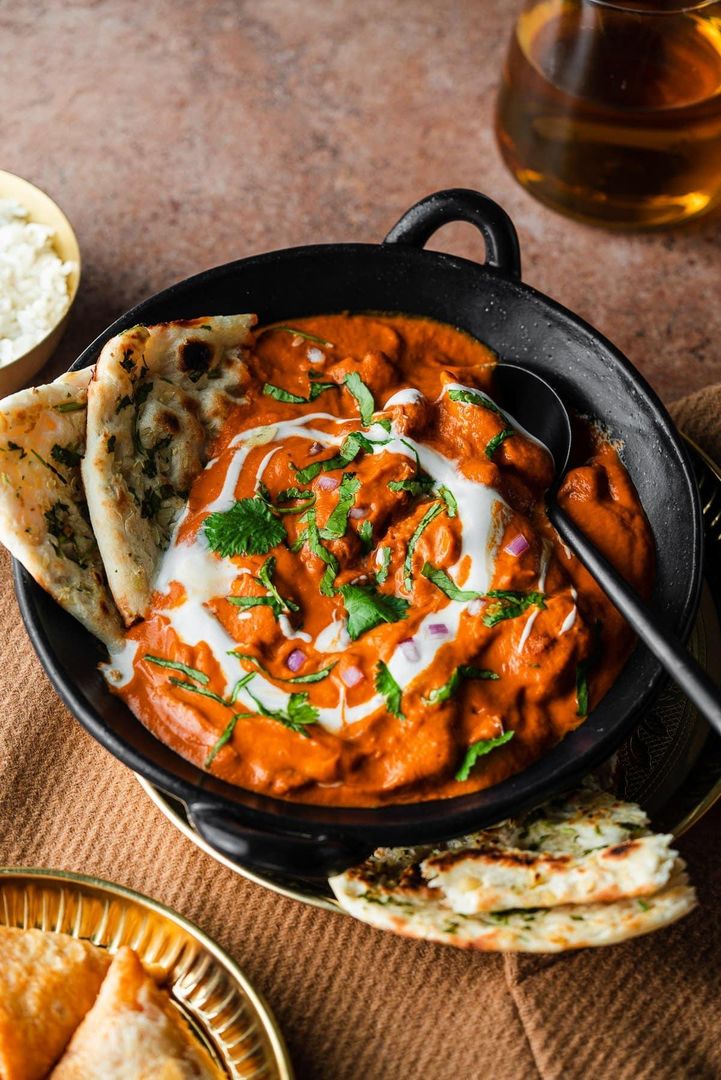
Butter Chicken vs Chicken Tikka Masala: Key Differences & Recipes
Indian cuisine is a vibrant tapestry of flavors, spices, and traditions that has captivated food lovers worldwide. Among the most beloved dishes are Butter Chicken and Chicken Tikka Masala, two creamy, tomato-based curries that often spark debates among enthusiasts. If you’ve ever wondered about Butter Chicken vs Chicken Tikka Masala, you’re not alone. These dishes share similarities but boast distinct histories, ingredients, and tastes that set them apart.
At Little India of Denver, we celebrate the rich heritage of Indian food by serving both classics with authentic recipes passed down through generations. Whether you’re a spice aficionado or new to Indian dining, this guide will help you understand the nuances. We’ll dive into their origins, preparation methods, flavor profiles, and more. By the end, you’ll know which one suits your palate—and where to enjoy them in Denver.
Butter Chicken, also known as Murgh Makhani, originated in Delhi, India, in the 1950s. Chicken Tikka Masala, on the other hand, is often credited to British-Indian fusion cuisine from the 1970s. Despite their global popularity, many confuse the two. Let’s break it down step by step to settle the Butter Chicken vs Chicken Tikka Masala debate once and for all.
The Origins of Butter Chicken
Butter Chicken traces its roots to post-partition India, specifically to the iconic Moti Mahal restaurant in Delhi. Legend has it that chef Kundan Lal Gujral created this dish as a way to repurpose leftover tandoori chicken. By simmering the chicken in a rich, buttery tomato sauce, he transformed it into a creamy delight that’s now a staple in Indian households and restaurants.
The name “Murgh Makhani” translates to “chicken with butter,” highlighting its key ingredient: generous amounts of butter and cream. This dish embodies Punjabi cuisine’s love for bold, comforting flavors. Over the years, Butter Chicken has evolved but remains true to its North Indian heritage, often featuring in festive meals and weddings.
At Little India of Denver, our Butter Chicken recipe honors this tradition. We use fresh, locally sourced ingredients to recreate the authentic taste, making it a must-try for anyone exploring Indian food in Colorado. If you’re searching for “best Butter Chicken near me,” our menu offers a version that’s silky smooth and mildly spiced, perfect for families.
The Story Behind Chicken Tikka Masala
Chicken Tikka Masala’s origins are more contested, adding intrigue to the Butter Chicken vs Chicken Tikka Masala comparison. Many believe it was invented in Glasgow, Scotland, in the 1970s by a Bangladeshi chef named Ali Ahmed Aslam. The story goes that a customer complained about dry chicken tikka, prompting the chef to improvise a sauce with tomato soup, yogurt, and spices.
This British-Indian hybrid quickly became the UK’s national dish, symbolizing the fusion of cultures. “Tikka” refers to marinated chicken pieces grilled in a tandoor (clay oven), while “masala” means a spice mix. The result is a tangy, creamy curry that’s spicier than its Butter Chicken counterpart.
While some argue for Indian roots, its popularity in the West is undeniable. In Denver, Chicken Tikka Masala is a go-to for those craving bold Indian flavors. At Little India of Denver, we prepare it with charcoal-grilled chicken tikka immersed in a vibrant masala sauce, ensuring every bite bursts with authenticity. Check our menu for this crowd-pleaser.
Key Similarities Between Butter Chicken and Chicken Tikka Masala
At first glance, Butter Chicken and Chicken Tikka Masala look remarkably similar—both are orange-hued curries served with naan or rice. They share core ingredients like chicken, tomatoes, onions, garlic, ginger, and cream, creating that signature creamy texture.
Both dishes rely on marinated chicken: Butter Chicken uses yogurt-marinated pieces, while Chicken Tikka Masala emphasizes tandoori-grilled tikka. Spices such as garam masala, cumin, and coriander appear in both, contributing to their aromatic profiles. Nutritionally, they’re comparable, offering protein from chicken and richness from dairy.
These similarities explain why they’re often interchanged on menus. However, for true connoisseurs, the differences shine through. If you’re dining at Little India of Denver, try our combo platters to taste both side by side and decide your favorite in the Butter Chicken vs Chicken Tikka Masala showdown.
Major Differences: Ingredients, Preparation, and Taste
The real excitement in Butter Chicken vs Chicken Tikka Masala lies in their differences. Let’s start with ingredients. Butter Chicken features a smoother sauce made with pureed tomatoes, butter, cream, and cashews for nuttiness. It avoids heavy chili heat, focusing on mild sweetness from honey or sugar.
Chicken Tikka Masala, conversely, packs more punch with additional spices like paprika, chili powder, and sometimes bell peppers for a tangy kick. Its sauce is chunkier, incorporating yogurt for tartness, and often includes coconut milk in variations.
Preparation methods diverge, too. Butter Chicken involves cooking marinated chicken in butter before simmering in sauce—no grilling required. Chicken Tikka Masala demands tandoori grilling first, infusing smoky flavors, then adding to the masala base.
Taste-wise, Butter Chicken is buttery, velvety, and subtly sweet—ideal for milder palates. Chicken Tikka Masala is bolder, with layered spiciness and a smoky undertone, appealing to those who prefer heat. Calorie-wise, Butter Chicken might edge out due to extra butter, but both are indulgent.
In terms of regional authenticity, Butter Chicken is purely Indian, while Chicken Tikka Masala represents diaspora innovation. For health-conscious diners, lighter versions exist, like using yogurt instead of cream.
Nutritional Comparison and Health Considerations
When debating Butter Chicken vs Chicken Tikka Masala, nutrition plays a role. A typical serving of Butter Chicken (about 300g) contains around 500-600 calories, with high fat from butter and cream. It’s rich in protein (25-30g), but watch the sodium from spices.
Chicken Tikka Masala is similar, clocking in at 450-550 calories per serving, with slightly less fat if grilled lean. Both provide vitamins from tomatoes (lycopene) and antioxidants from spices. For healthier twists, opt for grilled chicken and low-fat dairy.
At Little India of Denver, we offer customizable options, like vegan alternatives using paneer or tofu. Pair with brown rice for a balanced meal. Remember, moderation is key—these dishes are treats, not everyday staples.
Which One Should You Choose?
Choosing between Butter Chicken and Chicken Tikka Masala depends on your mood. Craving comfort? Go for Butter Chicken’s creamy embrace. Want adventure? Chicken Tikka Masala’s spice will excite.
For families, Butter Chicken’s mildness wins; for spice lovers, Tikka Masala reigns. Both pair beautifully with basmati rice, garlic naan, or raita. Experiment by trying hybrids or sides like aloo gobi.
In Denver’s diverse food scene, Little India stands out for quality. Our chefs use chicken and fresh spices, ensuring every dish is memorable. Visit us or order online via our website to settle the debate yourself.
Cultural Impact and Global Popularity
Butter Chicken vs Chicken Tikka Masala isn’t just about taste—it’s cultural. Butter Chicken symbolizes Indian hospitality, featured in Bollywood films and global chains. Chicken Tikka Masala represents migration’s culinary evolution, even declared Britain’s favorite curry.
Both have inspired fusions, like pizzas or wraps. In the US, they’re menu staples, with Denver’s Indian restaurants like ours adapting to local tastes while staying authentic.
Conclusion
In the Butter Chicken vs Chicken Tikka Masala debate, there’s no clear winner; both are icons of Indian cuisine. Butter Chicken offers silky comfort, while Chicken Tikka Masala delivers bold flair. Understanding their differences enhances appreciation.
Ready to taste the difference? Head to the Little India of Denver for an unforgettable experience. Located in the heart of Colorado, we invite you to explore our full menu, including vegetarian options and desserts like gulab jamun. Book a table today at littleindiaofdenver.com and let your taste buds decide!
You might also like
-
Masala Bello: A Bold Stuffed Portobello Mushroom You Must Try

-
Denver’s Top Indian Dishes in 2025 by Real Order Data
-
Exploring the Flavors of India: Top Restaurants Near You in Denver
-
Savoring Spice: A Guide to Little India’s Must-Try Dishes
